

How to Choose a Heat Exchanger
- Blog
- How to Choose a Heat Exchanger
How to Choose a Heat Exchanger
Table of Contents
- What Factors Determine Heat Exchanger Selection
- Which Heat Exchanger Type Is Best For My Process
- How To Ensure Heat Exchanger Material Compatibility
- How To Size A Heat Exchanger For Optimal Efficiency
- What Are The Key Heat Exchanger Performance Metrics
- How To Evaluate A Heat Exchanger For Longevity
- How Does Passivation Affect Heat Exchanger Selection
- What Maintenance Is Required For A Heat Exchanger
- How To Integrate A Heat Exchanger With Existing Equipment
- What Standards Apply To Industrial Heat Exchanger Design
What Factors Determine Heat Exchanger Selection
Selecting the right heat exchanger is a foundational decision that directly impacts process stability, energy consumption, and total cost of ownership. An incorrect choice can lead to chronic inefficiency, frequent maintenance interruptions, and premature equipment failure, undermining the core goals of operational reliability and profitability. This decision requires a rigorous heat exchanger selection guide approach, balancing thermal duty with material compatibility and long-term operational demands to achieve true facility performance enhancement.
The primary technical considerations include the specific application's thermal load, flow rates, and temperature profiles, which dictate the exchanger type—be it shell and tube, plate, or air-cooled. Material selection is paramount for corrosion resistance and longevity, especially when handling aggressive process fluids; this is where the SS Proje engineering company expertise in international quality standards ensures durable, compliant designs. Furthermore, footprint constraints, fouling potential, and pressure drop limitations must be analyzed to integrate the unit seamlessly into existing systems without compromising overall industrial process optimization.
Beyond initial specifications, lifecycle analysis is critical. Investing in high-efficiency heat exchangers designed for easy cleaning and maintenance translates directly into reduced downtime and lower operating costs. Proper industrial equipment installation is equally vital, as precise alignment and integration prevent vibrations and leaks that degrade performance. For facilities aiming for sustainable facility solutions, heat recovery applications turn waste heat into a valuable asset, significantly cutting energy expenses and enhancing environmental credentials.
Ultimately, navigating these complex factors demands more than a simple product selection; it requires a partnership for comprehensive project consultancy services. A holistic approach that covers design, specification, and post-installation support ensures the heat exchanger becomes a reliable component of a high-performance system. By prioritizing these engineering fundamentals, industrial managers can secure not just a piece of equipment, but a long-term solution for enhanced efficiency, compliance, and operational resilience.
Which Heat Exchanger Type Is Best For My Process
Determining the optimal heat exchanger type for your specific process is a critical engineering decision that dictates system efficiency, maintenance overhead, and long-term operational reliability. A misaligned selection can cripple industrial process optimization efforts, leading to excessive energy use and unplanned downtime. The correct choice, however, acts as a cornerstone for significant facility performance enhancement, making a structured heat exchanger selection guide an indispensable tool for any serious facility manager.
The three primary types—shell and tube, plate, and air-cooled—each serve distinct operational niches. Shell and tube exchangers offer robustness for high-pressure applications and fluids with fouling tendencies, ensuring durability under demanding conditions. Plate heat exchangers provide superior thermal efficiency in a compact footprint, ideal for duties requiring close temperature approaches and are central to implementing sustainable facility solutions through effective heat recovery. Air-cooled units are the default where water scarcity is a concern, eliminating the need for cooling water infrastructure and its associated treatment costs.
Selecting the best type hinges on a detailed analysis of process parameters like temperature ranges, pressure drops, fluid composition, and cleanability requirements. For instance, a corrosive process stream necessitates materials selected with expert project consultancy services to ensure compliance and longevity. The expertise of the SS Proje engineering company is vital here, translating these parameters into a specification for high-efficiency heat exchangers that are optimized for your unique operational envelope.
The final integration phase, involving precise industrial equipment installation, ensures the theoretical benefits of the selected exchanger are fully realized in practice. Proper installation prevents issues like vibration, misalignment, and thermal stress that can undermine performance. By partnering with an end-to-end provider, you secure not just a component but a guaranteed solution designed for maximum uptime, energy savings, and a rapid return on investment, solidifying your facility's competitive edge.
How To Ensure Heat Exchanger Material Compatibility
Material compatibility is the single most critical factor determining the service life, safety, and reliability of a heat exchanger in any industrial process. Incompatibility leads to accelerated corrosion, pitting, and contamination, which directly compromise product purity, increase maintenance frequency, and pose significant safety risks. A meticulous approach to material selection, therefore, is not optional but fundamental to achieving facility performance enhancement and long-term operational integrity, forming a core chapter in any comprehensive heat exchanger selection guide.
The selection process begins with a thorough chemical analysis of all process streams, including operating temperatures, concentrations, pH levels, and the presence of chlorides or other aggressive ions. This data dictates the choice between stainless steels, duplex alloys, titanium, or nickel alloys to resist specific corrosion mechanisms. For facilities focused on sustainable facility solutions, material choice also impacts lifecycle environmental footprint, where durable alloys reduce waste and resource consumption over decades of service. Engaging with the SS Proje engineering company for expert project consultancy services ensures this analysis aligns with international standards and avoids costly oversights.
Beyond base material selection, surface treatment processes like passivation are essential for stainless steel components. Passivation removes free iron from the surface, creating a uniform passive oxide layer that dramatically enhances corrosion resistance. This critical step, often overlooked, ensures that high-efficiency heat exchangers maintain their designed thermal performance without degradation from surface scaling or fouling. Proper execution during fabrication is a hallmark of quality and a prerequisite for reliable industrial equipment installation and subsequent industrial process optimization.
Ultimately, ensuring material compatibility is an investment in predictable, low-maintenance operation. It prevents unplanned shutdowns, protects product quality, and extends the asset's life far beyond that of a poorly specified unit. By prioritizing this engineering discipline from the initial design phase, managers secure a heat exchanger that functions as a reliable, integral component, driving efficiency and sustainability while minimizing total cost of ownership.
How To Size A Heat Exchanger For Optimal Efficiency
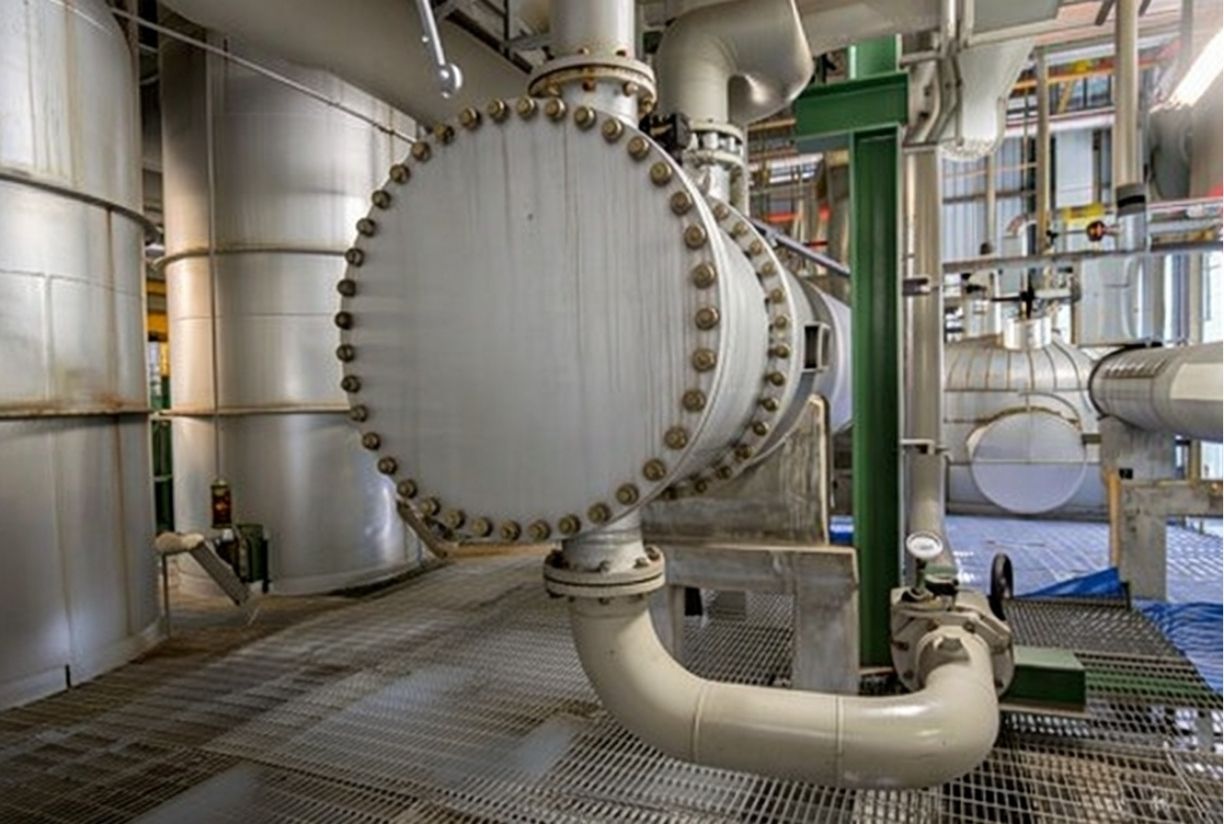
Correctly sizing a heat exchanger is a precise engineering exercise that directly determines its operational efficiency, energy consumption, and ability to meet process demands without oversizing capital costs. An undersized unit will fail to achieve the required thermal duty, creating a bottleneck in production, while an oversized exchanger represents a significant unnecessary capital outlay and can lead to control difficulties and higher pumping costs. This balance is fundamental to any effective heat exchanger selection guide and is crucial for genuine facility performance enhancement.
The sizing process begins with accurately defining the duty: the heat load, inlet and outlet temperatures for both streams, and allowable pressure drops. These parameters allow for the calculation of the Log Mean Temperature Difference (LMTD) and the required heat transfer area. For industrial process optimization, it is also critical to consider future capacity increases or potential fouling factors, building in a reasonable margin without resorting to excessive overdesign. Leveraging the project consultancy services of an expert firm like the SS Proje engineering company ensures these calculations account for real-world variability and align with long-term operational goals.
Optimal sizing is key to deploying high-efficiency heat exchangers that minimize energy waste. A correctly sized unit operates at its most effective point, reducing the parasitic load on pumps and fans and contributing directly to sustainable facility solutions through lower carbon emissions. Furthermore, precise sizing simplifies the subsequent industrial equipment installation, as the unit fits perfectly within the allocated space and connects efficiently with existing piping, avoiding costly modifications and delays.
Ultimately, investing in rigorous thermal and hydraulic sizing is a proactive strategy for minimizing the total cost of ownership. It ensures the heat exchanger delivers the exact performance required for current operations while providing the flexibility to adapt to future process changes. This engineering discipline translates into sustained energy savings, reliable temperature control, and a robust system that supports continuous, high-yield production, making it a cornerstone of a modern, efficient industrial facility.
What Are The Key Heat Exchanger Performance Metrics
Monitoring key performance metrics is essential for validating heat exchanger operation, diagnosing inefficiencies, and ensuring the unit contributes positively to overall plant profitability. These quantifiable parameters act as the health indicators of the thermal system, directly linking equipment performance to broader goals like energy conservation and production throughput. A thorough understanding of these metrics is a fundamental aspect of any professional heat exchanger selection guide and is critical for achieving sustained facility performance enhancement.
The primary thermal metric is the overall heat transfer coefficient (U-value), which measures the efficiency of heat exchange between the two fluid streams. A declining U-value often signals fouling, scaling, or other internal issues that impede heat flow and increase energy consumption. Similarly, the approach temperature—the difference between the outlet temperature of the hot stream and the inlet temperature of the cold stream—is a sensitive indicator of effectiveness; a widening approach points to deteriorating performance. For managers driving industrial process optimization, tracking pressure drop across the exchanger is equally vital, as increasing resistance indicates blockages that raise pumping costs and reduce available flow.
Regular analysis of these metrics allows for predictive maintenance, scheduling cleanings only when performance data justifies it, thus avoiding unnecessary downtime. This data-driven approach is central to operating high-efficiency heat exchangers and is a key service offered through expert project consultancy services. The SS Proje engineering company leverages this data not just for troubleshooting but to validate system performance post-industrial equipment installation, ensuring the design intent is met.
By rigorously tracking these key performance indicators, facility managers transform reactive maintenance into a proactive strategy for operational excellence. This discipline supports the implementation of sustainable facility solutions by maximizing energy efficiency and extending equipment lifespan. Ultimately, a focus on performance metrics guarantees that a heat exchanger operates as a reliable, cost-effective asset, delivering a strong return on investment and supporting continuous, high-quality production.
How To Evaluate A Heat Exchanger For Longevity
Evaluating a heat exchanger for longevity is a proactive investment that guards against premature failure, unplanned shutdowns, and costly capital replacements. Long-term reliability hinges on a combination of robust initial design, material integrity, and operational practices that collectively extend the asset's service life far beyond standard expectations. This forward-looking assessment is a critical component of any comprehensive heat exchanger selection guide and is fundamental to achieving true facility performance enhancement through sustained, uninterrupted operation.
The evaluation begins with a rigorous inspection of construction quality and material specifications. The thickness of tubes, tubesheets, and shells must be adequate to withstand corrosion allowances and operational stresses over decades. Verification of material certifications and surface treatments, such as passivation for stainless steels, is essential to prevent accelerated degradation. For facilities committed to sustainable facility solutions, this durability directly reduces lifecycle waste and resource consumption. Engaging the SS Proje engineering company for expert project consultancy services ensures this evaluation is based on international standards and proven engineering principles.
Operational factors are equally critical for longevity. The design must account for thermal cycling, potential for water hammer, and ease of maintenance access for cleaning and inspection. A unit designed for easy tube bundle removal or plate pack access significantly reduces downtime during necessary servicing, preserving overall industrial process optimization. Furthermore, proper industrial equipment installation, including correct alignment and support, prevents vibrational damage and mechanical stress that can cause early fatigue failures in even the most robust high-efficiency heat exchangers.
A thorough longevity evaluation transforms a heat exchanger from a consumable component into a long-term asset. This disciplined approach minimizes total cost of ownership by spreading the initial investment over a much longer productive life, reducing the frequency of major capital expenditure. By prioritizing durability in design, materials, and operation, managers secure not only operational reliability but also a significant competitive advantage through predictable, low-maintenance performance.
How Does Passivation Affect Heat Exchanger Selection
Passivation is a critical, non-negotiable surface treatment that profoundly influences the selection and long-term performance of stainless steel heat exchangers in aggressive industrial environments. This chemical process removes free iron particles from the metal surface, promoting the formation of a continuous, inert chromium oxide layer that acts as a barrier against corrosion. Ignoring passivation in the heat exchanger selection guide can lead to premature pitting, product contamination, and catastrophic failure, undermining any investment in facility performance enhancement.
The need for passivation directly affects material selection by determining the suitability of standard austenitic stainless steels like 304 or 316 for a given application. In processes with chlorides or other halides, a properly passivated surface is essential to prevent pitting and crevice corrosion. This consideration is paramount for sustainable facility solutions, as it maximizes the lifespan of the equipment and avoids the environmental cost of early replacement. The SS Proje engineering company integrates passivation requirements into its project consultancy services, ensuring that material specs are not just theoretically correct but practically resilient.
Furthermore, the passivation process impacts the fabrication and installation timeline. It must be performed after all welding, machining, and handling are complete to ensure the protective layer is uniform and uncontaminated. This requirement necessitates a supplier with stringent quality control protocols, as improper passivation can be worse than none at all. For high-efficiency heat exchangers, a perfect surface finish is also crucial for maintaining optimal heat transfer coefficients by preventing fouling that starts at microscopic corrosion sites. Proper execution ensures the unit operates as designed post-industrial equipment installation, supporting overall industrial process optimization.
Ultimately, specifying a passivated heat exchanger is a direct investment in operational reliability and product integrity. It is a low-cost step that yields disproportionately high returns in extended equipment life, reduced maintenance, and guaranteed hygiene standards. By making passivation a key criterion in the selection process, managers secure a robust asset capable of withstanding harsh process conditions, thereby ensuring continuous production and protecting their capital investment for decades.
What Maintenance Is Required For A Heat Exchanger
A disciplined maintenance regimen is the cornerstone of maximizing the lifespan and efficiency of any industrial heat exchanger, directly impacting operational costs and production reliability. Without proactive upkeep, even the best-designed unit will succumb to fouling, corrosion, and performance degradation, leading to increased energy consumption and unplanned downtime. Integrating a strategic maintenance plan into your overall heat exchanger selection guide is therefore essential for achieving consistent facility performance enhancement and protecting your capital investment.
Routine maintenance primarily focuses on combating fouling through regular cleaning schedules tailored to the specific process fluids. For shell and tube exchangers, this involves periodic mechanical or chemical cleaning of tubes, while plate heat exchangers require disassembly for gasket inspection and plate cleaning. Predictive maintenance, guided by monitoring key metrics like pressure drop and heat transfer coefficient, allows interventions to be scheduled during planned shutdowns, which is critical for effective industrial process optimization. Leveraging the project consultancy services of an expert partner like the SS Proje engineering company helps establish these data-driven maintenance protocols.
Beyond cleaning, maintenance includes regular inspections for leaks, vibration, and corrosion, especially at tubesheets and supports. Ensuring that chemical treatment programs for cooling water or process streams are correctly managed is also vital to minimize scaling and corrosion from the fluid side. For facilities implementing sustainable facility solutions, proper maintenance ensures that high-efficiency heat exchangers operate at their peak, thereby conserving energy and reducing the environmental footprint. The quality of the initial industrial equipment installation also plays a long-term role, as proper alignment and support reduce mechanical wear.
A well-executed maintenance strategy transforms the heat exchanger from a potential liability into a reliable, long-life asset. It directly translates into lower energy costs, extended equipment service life, and minimized production interruptions. This proactive approach is a fundamental aspect of modern industrial management, ensuring that thermal systems contribute reliably to operational goals and deliver a strong return on investment year after year.
How To Integrate A Heat Exchanger With Existing Equipment
Integrating a new heat exchanger into an existing industrial process is a complex engineering task that requires meticulous planning to ensure seamless operation and avoid disruptive bottlenecks. A poorly executed integration can lead to hydraulic imbalances, control system conflicts, and reduced overall system efficiency, negating the benefits of the new equipment. A successful integration, however, is a powerful driver for facility performance enhancement, making it a critical step beyond the initial heat exchanger selection guide.
The process begins with a comprehensive audit of the existing system, including piping layouts, pump capacities, control valves, and instrumentation. This analysis ensures the new high-efficiency heat exchangers are hydraulically compatible and do not overload existing pumps or create unacceptable pressure drops. Proper industrial equipment installation requires precise spatial planning for access to maintenance and cleaning points, which is essential for long-term industrial process optimization. The SS Proje engineering company provides vital project consultancy services at this stage to model integration scenarios and prevent costly field modifications.
Control system integration is equally important. The new exchanger must be seamlessly incorporated into the plant's Distributed Control System (DCS) or PLC with appropriate setpoints, alarms, and interlocks to maintain process stability. For retrofits aimed at sustainable facility solutions, such as adding a heat recovery unit, integration ensures that energy savings are fully realized without compromising the primary process. This involves sophisticated tuning of control loops to manage the interplay between the new and existing thermal equipment dynamically.
A professionally managed integration transforms a standalone component into a harmonious part of the production ecosystem. It guarantees that the designed thermal and hydraulic performance is achieved in practice, leading to predictable operation, energy savings, and minimal operational disruption. This meticulous approach protects the investment in new equipment and ensures it contributes reliably to the facility's long-term operational and sustainability goals.
What Standards Apply To Industrial Heat Exchanger Design
Adherence to rigorous international design standards is non-negotiable for ensuring the safety, reliability, and performance of industrial heat exchangers. These standards provide a validated framework for engineering calculations, material selection, fabrication, and testing, mitigating risks associated with pressure containment, corrosion, and structural failure. Compliance is a fundamental aspect of any professional heat exchanger selection guide and is directly linked to achieving long-term facility performance enhancement and operational safety.
The most critical standards include the ASME Boiler and Pressure Vessel Code (BPVC), particularly Section VIII for pressure vessel design, which mandates strict rules for design margins, weld procedures, and non-destructive testing. For shell and tube exchangers, the Tubular Exchanger Manufacturers Association (TEMA) standards define classifications for mechanical design, tolerances, and component dimensions, ensuring interchangeability and reliability. Following these protocols is essential for producing high-efficiency heat exchangers that meet global expectations for quality and safety. The SS Proje engineering company builds compliance into its project consultancy services, ensuring designs are certified and fit for purpose.
Material standards, such as those from ASTM International, govern the chemical and mechanical properties of metals, guaranteeing the integrity of tubes, plates, and shells under specified process conditions. Furthermore, standards for industrial equipment installation ensure proper anchoring, alignment, and piping stress management, which are crucial for preventing vibration-induced damage. For facilities pursuing sustainable facility solutions, these standards also contribute to longevity and resource efficiency, reducing waste from premature equipment replacement.
Designing to these internationally recognized standards is a direct investment in risk mitigation and operational excellence. It ensures regulatory compliance, facilitates insurance approvals, and provides a predictable baseline for performance and maintenance. This disciplined approach, integral to full-cycle industrial process optimization, guarantees that a heat exchanger will perform safely and reliably throughout its entire service life, protecting both personnel and productivity.