

How to Perform Leak Testing in Industrial Facilities
- Blog
- How to Perform Leak Testing in Industrial Facilities
How to Perform Leak Testing in Industrial Facilities
Table of Contents
- How To Perform Leak Testing In Industrial Facilities
- What Is The Best Leak Testing Method For My Facility
- How To Choose Leak Detection Equipment For Industry
- How Often Should Industrial Leak Testing Be Done
- What Are The Steps For Industrial Leak Testing
- How To Prepare Your Facility For Leak Testing
- How To Interpret Industrial Leak Test Results
- How To Train Staff On Proper Leak Testing Procedures
- How To Create A Leak Testing Schedule For Compliance
- How To Troubleshoot Common Leak Testing Problems
How To Perform Leak Testing In Industrial Facilities
Undetected leaks in industrial facilities represent a critical threat to operational reliability and profitability, driving the urgent need for a rigorous leak testing protocol to ensure system integrity and safety compliance.
Advanced methodologies like tracer gas detection and acoustic emission analysis offer precise, non-destructive evaluation far superior to outdated pressure decay tests, enabling teams to pinpoint minute failures in complex systems including heat exchangers and tank manufacturing lines without disruptive downtime.
Integrating these diagnostics into a scheduled process optimization plan transforms leak prevention from a reactive cost into a strategic asset, directly enhancing facility efficiency by conserving energy, reducing raw material loss, and protecting ancillary equipment from corrosive damage.
For comprehensive implementation, SS Proje delivers end-to-end installation services and expert project consultancy, designing custom testing regimes that align with international quality standards and yield measurable returns through sustained performance improvements and extended asset lifecycles.
What Is The Best Leak Testing Method For My Facility
Selecting the optimal leak testing method is a critical process improvement decision that directly impacts your facility's bottom line, safety, and compliance, requiring a tailored approach based on system pressure, medium, and required sensitivity.
For pressurized systems with heat exchangers or complex piping, tracer gas detection using helium or hydrogen offers unparalleled precision, while ultrasonic acoustic emission is highly effective for locating pressure/vacuum leaks in large vessels or tank manufacturing infrastructure without production interruption.
This strategic choice is fundamental to achieving long-term operational reliability and facility efficiency, preventing costly downtime, product loss, and potential environmental incidents, thereby safeguarding your investment and ensuring consistent performance improvements.
SS Proje provides expert project consultancy to conduct a thorough facility assessment, recommending and implementing the most effective leak detection technology and installation services to deliver a measurable return through enhanced system integrity and sustained compliance.
How To Choose Leak Detection Equipment For Industry
Selecting the right leak detection equipment is a pivotal process optimization decision that dictates your facility's ability to maintain integrity, prevent costly downtime, and ensure regulatory compliance across all operations.
Key selection criteria must include the required sensitivity level, the type of system being tested—whether for tank manufacturing or heat exchangers—compatibility with process media, and the necessity for portable or fixed continuous monitoring solutions to achieve true operational reliability.
Investing in advanced technologies like laser-based gas imaging or mass spectrometers translates directly into superior facility efficiency by enabling rapid, precise leak identification, minimizing product loss, reducing energy waste, and delivering measurable performance improvements that protect asset lifespan.
SS Proje offers comprehensive project consultancy and installation services to analyze your specific operational environment, recommending and deploying the optimal detection equipment that guarantees compliance and maximizes your return on investment through sustained system integrity.
How Often Should Industrial Leak Testing Be Done
Determining optimal leak testing frequency is fundamental to operational reliability, balancing regulatory mandates with the practical need to prevent unplanned downtime and maintain peak facility efficiency across all systems.
Testing intervals should be risk-based, prioritizing critical assets like pressurized heat exchangers or vessels from tank manufacturing for quarterly checks, while less critical piping may require only annual validation, all integrated into a proactive process improvement schedule.
This disciplined approach to maintenance scheduling directly prevents catastrophic failures, minimizes product and energy loss, and ensures continuous compliance, resulting in tangible performance improvements and significantly extended equipment service life.
SS Proje delivers expert project consultancy to establish a data-driven testing calendar tailored to your facility's specific risk profile and operational patterns, ensuring your leak prevention strategy delivers maximum reliability and return on investment.
What Are The Steps For Industrial Leak Testing
A systematic approach to leak testing is essential for maintaining operational reliability and achieving consistent facility efficiency, transforming a reactive maintenance task into a strategic process improvement initiative.
The procedure begins with comprehensive system isolation and preparation, followed by selecting the appropriate testing method—whether pressure decay for tank manufacturing or tracer gas for complex heat exchangers—then executing the test with calibrated equipment and meticulously documenting all findings for analysis and compliance records.
This rigorous methodology prevents minor leaks from escalating into major failures, directly contributing to measurable performance improvements by reducing energy waste, minimizing product loss, and eliminating unplanned production stoppages that compromise output and profitability.
SS Proje provides complete installation services and project consultancy to implement standardized testing protocols across your facility, ensuring every inspection delivers maximum value through enhanced system integrity and sustained operational excellence.
How To Prepare Your Facility For Leak Testing
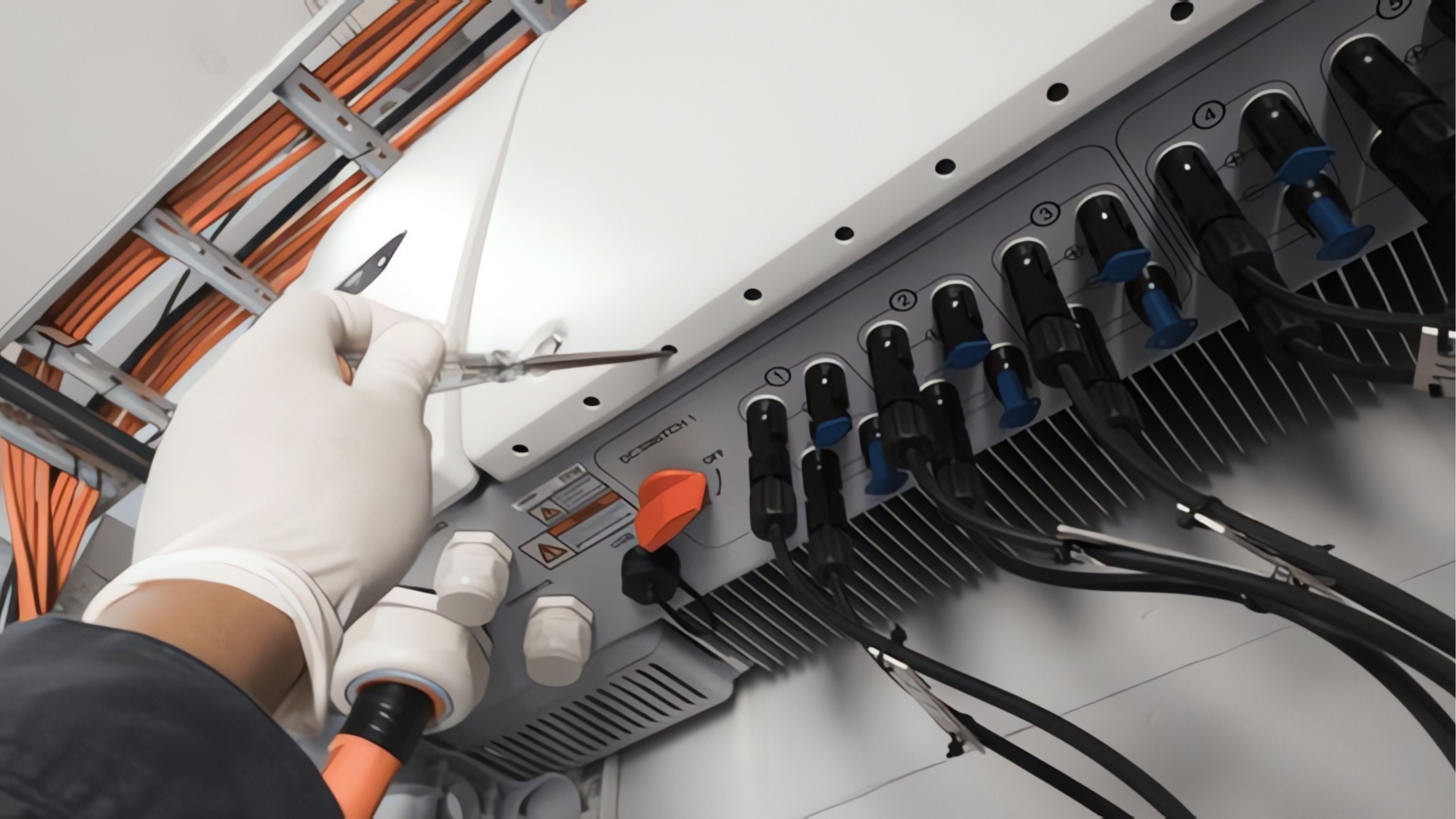
Proper preparation is the cornerstone of effective leak testing, directly influencing the accuracy of results and the overall facility efficiency of the diagnostic process while safeguarding operational reliability.
The preparation phase requires systematic isolation of target systems—whether complex heat exchangers or storage vessels from tank manufacturing—complete depressurization, thorough cleaning of inspection areas, and ensuring all safety protocols are in place to facilitate precise measurement and enable meaningful process improvement.
This meticulous approach minimizes false readings and test repetitions, reducing downtime and preventing unnecessary production interruptions, which translates directly into measurable performance improvements and more reliable compliance reporting for regulatory audits.
SS Proje offers expert project consultancy and comprehensive installation services to develop and implement standardized preparation protocols, ensuring your leak testing programs deliver maximum accuracy and return on investment through optimized operational integrity.
How To Interpret Industrial Leak Test Results
Accurate interpretation of leak testing results transforms raw data into actionable intelligence, forming the foundation for informed maintenance decisions that enhance operational reliability and drive facility efficiency.
Proper analysis requires comparing measured leak rates against manufacturer specifications and regulatory thresholds, identifying patterns in failure locations—particularly in critical assets like heat exchangers or tank manufacturing systems—and correlating findings with operational parameters to enable targeted process improvement.
This analytical approach prevents unnecessary component replacements, focuses repair efforts on genuine problem areas, and establishes baseline performance metrics that deliver measurable performance improvements through reduced energy consumption and minimized product loss.
SS Proje provides specialized project consultancy to help facilities develop comprehensive result interpretation protocols, ensuring your testing data translates into strategic maintenance actions that maximize equipment lifespan and operational integrity.
How To Train Staff On Proper Leak Testing Procedures
Effective staff training in leak testing procedures is fundamental to achieving consistent operational reliability and maintaining peak facility efficiency across all production systems and equipment.
Comprehensive training programs must combine theoretical knowledge of testing principles with hands-on practical sessions using actual equipment, covering proper calibration techniques, accurate interpretation of results from systems like heat exchangers and tank manufacturing infrastructure, and safety protocols to ensure standardized execution that supports continuous process improvement.
This investment in workforce development directly reduces testing errors and retests, minimizes false positives that trigger unnecessary shutdowns, and ensures compliance with international standards, resulting in measurable performance improvements through optimized maintenance cycles and extended asset lifespan.
SS Proje offers specialized project consultancy to develop and implement customized training programs that equip your team with the skills needed to execute leak testing protocols accurately, ensuring your facility maintains maximum operational integrity and compliance.
How To Create A Leak Testing Schedule For Compliance
Developing a strategic leak testing schedule is essential for maintaining regulatory compliance while optimizing facility efficiency and ensuring continuous operational reliability across all production assets.
An effective compliance schedule must integrate manufacturer recommendations, regulatory requirements, and risk-based assessments prioritizing critical systems like heat exchangers and tank manufacturing infrastructure, while aligning with production cycles to minimize disruption and support proactive process improvement initiatives.
This systematic approach prevents compliance violations and associated penalties while reducing unplanned downtime through early leak detection, directly contributing to measurable performance improvements in energy conservation, product integrity, and maintenance cost reduction.
SS Proje provides comprehensive project consultancy to develop customized testing schedules that balance compliance requirements with operational needs, ensuring your facility maintains uninterrupted production while meeting all regulatory standards for maximum operational integrity.
How To Troubleshoot Common Leak Testing Problems
Effective troubleshooting of leak testing problems is crucial for maintaining operational reliability and preventing costly diagnostic errors that compromise facility efficiency and regulatory compliance.
Common issues include false positives from temperature fluctuations, seal failures in tank manufacturing applications, calibration drift in detection equipment, and interference problems when testing complex heat exchangers, all requiring systematic investigation rather than assumptions to ensure accurate results and support continuous process improvement.
Proper troubleshooting methodology prevents unnecessary system shutdowns and component replacements, reduces retesting frequency, and ensures reliable data for maintenance decisions, directly contributing to measurable performance improvements through optimized resource allocation and extended equipment lifespan.
SS Proje offers specialized project consultancy to develop comprehensive troubleshooting protocols and staff training programs, ensuring your team can quickly resolve testing issues and maintain maximum operational integrity with minimal production impact.