

How to Perform Process Optimization
- Blog
- How to Perform Process Optimization

How to Perform Process Optimization
Table of Contents
- How to Start a Process Optimization Project
- How Does Process Optimization Reduce Costs
- How to Optimize Industrial Production Processes
- How to Improve Facility Efficiency with Optimization
- How to Measure Process Optimization Success
- How to Implement Lean Manufacturing Principles
- How Can Process Optimization Boost Sustainability
- How to Optimize Energy Use in Industrial Facilities
- How to Conduct a Process Optimization Audit
- How to Achieve Long-Term Operational Reliability
How to Start a Process Optimization Project
Initiating a process optimization project requires a systematic engineering approach to identify and eliminate workflow inefficiencies that compromise industrial facility efficiency. For production managers, the starting point is a comprehensive audit of current operations to benchmark performance against international quality standards and define measurable targets for improvement. This foundational analysis is critical for aligning the project scope with strategic business goals, whether targeting energy savings, waste reduction, or capacity expansion, thereby transforming operational challenges into quantifiable opportunities for enhancement.
A successful launch hinges on engaging process improvement consulting expertise early in the project lifecycle. Specialized consultancies, like SS Proje project consultancy, apply methodologies such as lean manufacturing implementation to map value streams and pinpoint non-value-added activities. This phase defines clear parameters for the project, including data collection protocols, key performance indicators (KPIs), and a structured implementation plan that integrates seamlessly with existing production workflows to minimize disruption.
The core of the initiative involves detailed planning for the tangible upgrades that drive production line optimization. This often includes specifying high-performance industrial equipment—such as custom-designed filter housings, mixers, or heat exchangers—that are engineered for durability and long life. Partnering with a provider offering end-to-end engineering services ensures a cohesive transition from design and manufacturing to precise field installation, guaranteeing that each component functions optimally within the larger system.
Executing the optimization plan requires meticulous coordination of field installation and commissioning activities to achieve seamless integration. Focused project consultancy support during this phase oversees the technical implementation, including critical procedures like passivation for corrosion resistance on tanks and piping systems, which is essential for maintaining product purity and extending asset lifespan under demanding industrial conditions.
The final, crucial step is establishing a framework for continuous monitoring and improvement to lock in the gains from the process optimization. This involves tracking the defined KPIs to validate performance improvements in energy consumption, output quality, and operational reliability. Ultimately, embarking on this structured path delivers sustainable facility solutions that not only meet immediate production targets but also build a foundation for long-term competitiveness, regulatory compliance, and reduced total cost of ownership.
How Does Process Optimization Reduce Costs
Process optimization systematically targets and eliminates hidden operational expenditures, directly impacting the bottom line by reducing waste, energy consumption, and unplanned downtime in industrial facilities. For production managers, this is not merely a cost-cutting exercise but a strategic reinvestment into industrial facility efficiency. By applying rigorous engineering analysis and modern lean manufacturing implementation principles, facilities can identify excess material usage, inefficient energy flows, and procedural bottlenecks that silently inflate operational costs while compromising output quality.
A primary mechanism for cost reduction is through focused process improvement consulting, which delivers a granular view of resource allocation. Expert SS Proje project consultancy services, for instance, analyze utility consumption, maintenance cycles, and raw material yield to pinpoint specific areas for improvement. This data-driven approach facilitates precise production line optimization, leading to significant reductions in energy bills, lower consumption of consumables, and a marked decrease in scrap rates, thereby boosting both profitability and sustainability.
Strategic equipment upgrades, delivered through end-to-end engineering services, further solidify these savings. Optimized industrial equipment, designed for reliability and longevity, minimizes reactive maintenance expenses and extends the operational life of critical assets. The implementation of sustainable facility solutions, such as high-efficiency heat exchangers or advanced filtration systems, directly translates to lower energy demand and reduced water usage, creating a continuous cycle of operational savings that compound over time.
Ultimately, a well-executed process optimization project transforms cost centers into pillars of efficiency. The initial investment in expert analysis and targeted improvements yields a rapid return by slashing variable costs and enhancing production throughput. This creates a more resilient operation with a lower total cost of ownership, positioning facilities for long-term competitiveness and compliance with stringent international quality standards.
How to Optimize Industrial Production Processes
Optimizing industrial production processes begins with a comprehensive analysis of current operations to establish a baseline for industrial facility efficiency. This initial assessment, often guided by specialized process improvement consulting, identifies critical bottlenecks, energy waste, and quality variations that limit throughput and inflate operational costs. The objective is to transform these findings into a strategic roadmap for process optimization, setting clear, measurable targets for enhancement that align with overarching business goals for output, quality, and sustainability.
The implementation phase leverages proven methodologies like lean manufacturing implementation to systematically eliminate non-value-added activities. This involves re-engineering workflow sequences, improving material handling, and integrating automation where feasible to streamline operations. For effective execution, partnering with a firm offering end-to-end engineering services, such as SS Proje project consultancy, ensures a cohesive approach from design through to field installation, minimizing disruption while achieving significant production line optimization.
A critical component of sustainable improvement is the integration of high-performance equipment engineered for reliability and compliance. Upgrading to advanced filtration systems, energy-efficient heat exchangers, and precisely fabricated tanks directly contributes to sustainable facility solutions by reducing energy consumption and material waste. These technical enhancements, when executed as part of a holistic process optimization strategy, not only boost current production capacity but also extend the operational life of the entire facility infrastructure.
The final stage involves establishing a culture of continuous monitoring and incremental improvement to sustain the gains. By tracking key performance indicators related to energy use, output quality, and equipment reliability, production managers can ensure the optimized processes deliver long-term value. This disciplined approach transforms industrial production into a strategic asset, achieving superior efficiency, reliability, and a reduced total cost of ownership that meets international quality standards.
How to Improve Facility Efficiency with Optimization
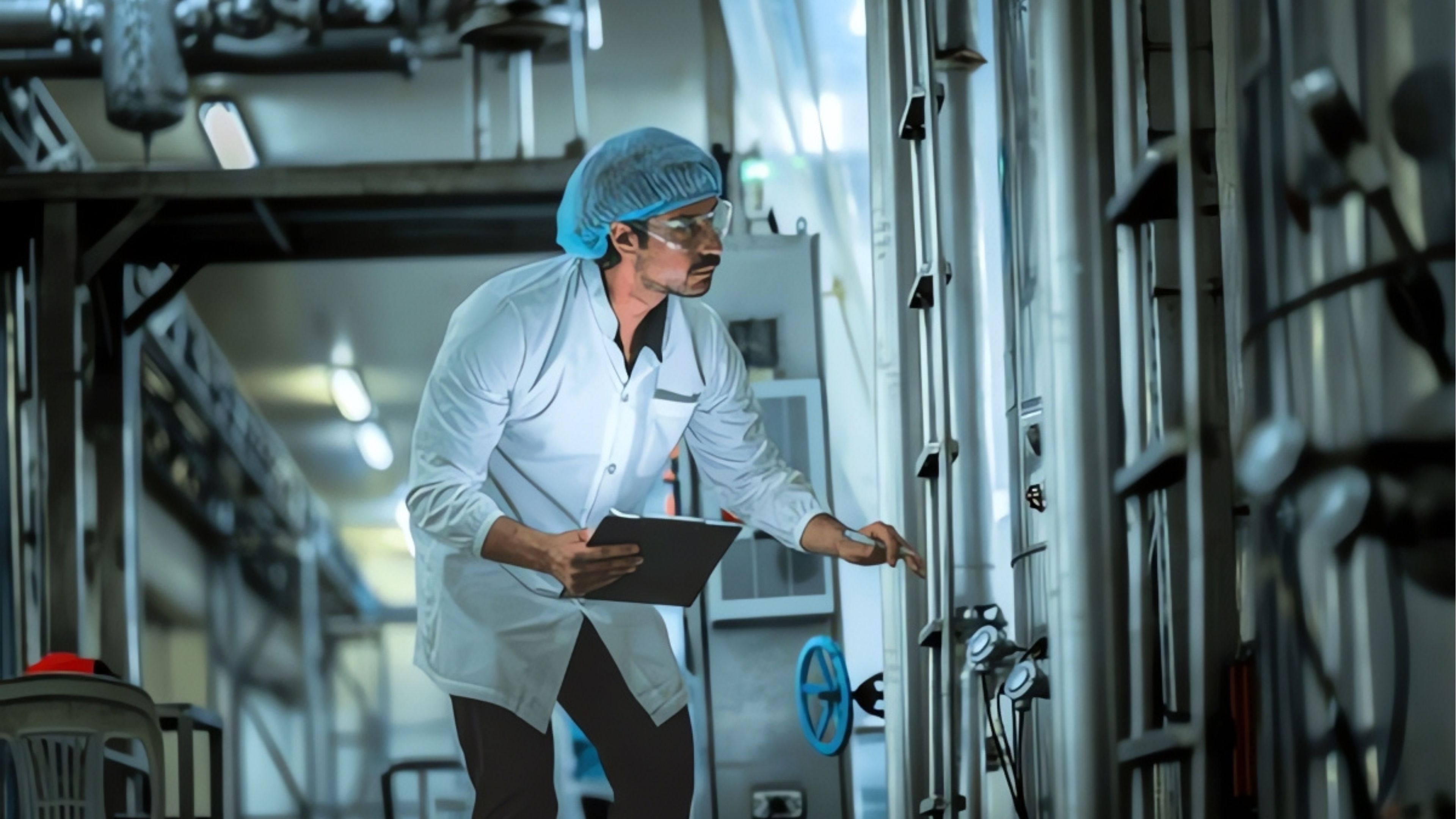
Improving facility efficiency through optimization requires a systematic engineering approach that targets the entire operational ecosystem for measurable performance gains. True industrial facility efficiency is not achieved through isolated equipment upgrades but through a holistic process optimization strategy that integrates people, processes, and technology. This begins with a comprehensive facility audit conducted via expert process improvement consulting to quantify energy losses, material waste, and workflow inefficiencies that directly hinder productivity and inflate operational costs.
The core of this improvement lies in the rigorous application of lean manufacturing implementation principles to eliminate non-value-added activities across the production floor. This methodology streamlines material flow, reduces cycle times, and empowers the workforce to identify and resolve inefficiencies actively. For seamless execution, partnering with a provider like SS Proje project consultancy, which offers true end-to-end engineering services, ensures that process redesign is perfectly synchronized with precision field installation and equipment integration, delivering comprehensive production line optimization.
Strategic upgrades to the physical plant are fundamental to locking in efficiency gains. This involves integrating high-performance sustainable facility solutions such as advanced heat exchangers for optimal thermal management and custom-fabricated tanks designed for maximum yield and minimal waste. These engineered solutions reduce the energy and resource intensity of operations, achieving not only immediate cost savings but also ensuring long-term compliance with evolving international environmental and quality standards.
The culmination of this integrated effort is a transformed facility operating at peak industrial facility efficiency. A continuous monitoring framework validates the performance improvements, tracking key metrics like Overall Equipment Effectiveness (OEE) and specific energy consumption. This disciplined, engineering-led approach positions the facility for sustained competitiveness, significantly reduced total cost of ownership, and enhanced operational reliability, making it a strategic asset for any forward-thinking industrial enterprise.
How to Measure Process Optimization Success
Measuring the success of a process optimization initiative requires defining and tracking key performance indicators (KPIs) that objectively quantify improvements in industrial facility efficiency. The measurement process begins before implementation, establishing a robust baseline for metrics such as Overall Equipment Effectiveness (OEE), energy consumption per unit produced, and overall production yield. This pre-optimization data provides the critical benchmark against which the tangible impact of lean manufacturing implementation and other improvement strategies is rigorously assessed.
The most telling indicators of success are found in operational data directly linked to cost and performance. A successful production line optimization will manifest as a quantifiable reduction in unplanned downtime, lower specific energy usage, decreased raw material waste, and a higher first-pass yield. Expert process improvement consulting, such as that offered by SS Proje project consultancy, is instrumental in setting up the data collection and analysis frameworks necessary to attribute these improvements directly to the optimization efforts, moving beyond anecdotal evidence to hard, financial justification.
Financial metrics provide the ultimate validation of success, translating operational gains into business value. This includes calculating the return on investment (ROI) by comparing the project cost against the savings from reduced energy bills, lower maintenance expenditures, and increased throughput capacity. Furthermore, the integration of sustainable facility solutions adds another dimension of value, measured through a lower environmental footprint and enhanced compliance, which are increasingly critical for maintaining market access and corporate reputation.
Long-term success is secured through the establishment of a continuous improvement culture, enabled by the end-to-end engineering services that embed monitoring capabilities into the facility's operations. This ensures that the KPIs tracked during the initial project continue to be monitored, allowing for proactive adjustments and sustaining the gains in efficiency and reliability. Ultimately, consistently meeting or exceeding the predefined performance targets confirms that the process optimization has successfully delivered its intended value, solidifying the facility's competitive edge and long-term viability.
How to Implement Lean Manufacturing Principles
Implementing lean manufacturing implementation begins with a cultural and operational shift focused on eliminating waste to maximize value. This fundamental approach to process optimization requires a thorough value stream mapping exercise to visualize the entire production flow and identify non-value-added activities such as waiting, excess inventory, and unnecessary motion. A successful implementation, guided by expert process improvement consulting, transforms these insights into a strategic action plan tailored to boost industrial facility efficiency.
The practical application of lean principles involves deploying specific tools like 5S for workplace organization, Kanban for pull-based inventory control, and standardized work procedures to ensure consistency and quality. Engaging a partner with comprehensive end-to-end engineering services, such as SS Proje project consultancy, ensures these methodologies are correctly integrated with the physical layout and equipment. This synergy between process discipline and technical infrastructure is essential for achieving true production line optimization and sustainable performance gains.
Lean implementation extends to the physical assets, where equipment design and maintenance strategies are optimized for reliability and minimal waste. Incorporating sustainable facility solutions, such as energy-efficient motors and optimized heat recovery systems, aligns perfectly with the lean goal of reducing resource consumption. The focus on preventative maintenance and quick changeover techniques further reinforces the lean philosophy, directly reducing downtime and extending the operational life of critical production assets.
The final measure of successful lean manufacturing implementation is the establishment of a continuous improvement culture, or Kaizen, where every employee is empowered to identify and act on efficiency opportunities. This creates a self-sustaining cycle of process optimization that drives ongoing reductions in cost and waste while enhancing overall operational agility and resilience, securing a long-term competitive advantage for the industrial facility.
How Can Process Optimization Boost Sustainability
Process optimization serves as a powerful engine for boosting sustainability by systematically reducing the environmental footprint of industrial operations while simultaneously enhancing economic performance. For modern facilities, achieving sustainable facility solutions is intrinsically linked to improving industrial facility efficiency, as waste minimization and resource conservation are core principles of both disciplines. This synergy transforms sustainability from a compliance obligation into a strategic driver of cost savings and operational resilience.
The application of lean manufacturing implementation is particularly effective, as its core mandate to eliminate waste directly translates into lower energy consumption, reduced raw material usage, and decreased emissions. Through expert process improvement consulting, facilities can reconfigure workflows and upgrade equipment to achieve significant production line optimization. Partnering with an expert like SS Proje project consultancy ensures that these improvements are delivered through cohesive end-to-end engineering services, from initial audit through to implementation.
Optimization boosts sustainability by extending equipment lifespan and integrating advanced, eco-efficient technologies. Upgrading to high-efficiency motors, advanced heat recovery systems, and water recycling units drastically cuts resource intensity. These technical enhancements, when executed as part of a holistic strategy, not only reduce the facility's carbon footprint but also lower operating costs, creating a compelling business case for sustainable facility solutions that are both environmentally responsible and financially sound.
Ultimately, a well-executed process optimization project embeds sustainability into the operational DNA of the facility. The continuous monitoring and improvement culture that follows ensures that environmental performance is perpetually enhanced alongside productivity. This creates a virtuous cycle where superior industrial facility efficiency delivers lasting competitive advantage through reduced ecological impact, robust compliance, and a significantly lower total cost of ownership.
How to Optimize Energy Use in Industrial Facilities
Optimizing energy use in industrial facilities is a critical component of a comprehensive process optimization strategy, directly impacting both operational costs and environmental sustainability. The journey begins with an energy audit conducted through expert process improvement consulting to establish a baseline and identify the largest energy sinks, whether from inefficient motors, poorly insulated systems, or suboptimal process control. This data-driven analysis is the cornerstone for developing a targeted plan to significantly enhance industrial facility efficiency.
A key tactic involves integrating lean manufacturing implementation principles to eliminate energy waste associated with non-value-added activities. By streamlining material flows, reducing idle times, and optimizing equipment scheduling, facilities can achieve substantial reductions in power consumption. Engaging a partner like SS Proje project consultancy, which provides end-to-end engineering services, ensures that procedural changes are perfectly synchronized with technical upgrades for maximum production line optimization and energy savings.
The strategic deployment of advanced sustainable facility solutions is essential for locking in long-term energy efficiency. This includes retrofitting facilities with high-efficiency heat exchangers, variable frequency drives (VFDs) on motors, and advanced building automation systems for lighting and HVAC. These technological improvements, when engineered and installed correctly, directly reduce the facility's energy intensity, lower its carbon footprint, and contribute to significant cost savings.
The culmination of this effort is a facility that operates with optimized energy consumption as a core operational principle. Continuous monitoring of energy performance indicators (EnPIs) validates the success of the optimization and identifies opportunities for further improvement. This systematic approach not only delivers immediate financial benefits but also ensures long-term compliance with energy regulations, positioning the industrial facility as a leader in sustainable facility solutions and operational excellence.
How to Conduct a Process Optimization Audit
Conducting a process optimization audit is the essential first step in any initiative to systematically enhance industrial facility efficiency. This rigorous assessment provides an objective, data-driven snapshot of current operations, quantifying performance gaps in areas such as energy consumption, material yield, equipment uptime, and workflow bottlenecks. The audit establishes a verifiable baseline against which the success of subsequent lean manufacturing implementation and other improvement strategies can be accurately measured.
The audit process itself involves a multi-faceted approach, combining data analysis with on-site observation to uncover root causes of inefficiency. Experienced process improvement consulting teams, such as those from SS Proje project consultancy, utilize tools like value stream mapping to visualize material and information flows, identifying delays, excess inventory, and redundant steps. This holistic examination is critical for pinpointing opportunities for comprehensive production line optimization that go beyond superficial fixes.
A thorough audit delves into the technical performance of physical assets, assessing the condition and efficiency of critical equipment like heat exchangers, pumps, and filtration systems. This evaluation is vital for integrating sustainable facility solutions into the improvement plan, ensuring that equipment upgrades directly contribute to reduced energy usage and waste generation. The audit's findings form the foundation for a prioritized action plan that outlines specific projects, required investments, and projected returns.
The ultimate value of a professional process optimization audit lies in its ability to create a clear, actionable roadmap for improvement. By identifying the most impactful opportunities, the audit ensures that resources are allocated effectively to deliver maximum industrial facility efficiency gains. This foundational work, especially when supported by end-to-end engineering services, translates directly into reduced operational costs, extended asset life, and a stronger competitive position through sustained, measurable performance improvements.
How to Achieve Long-Term Operational Reliability
Achieving long-term operational reliability requires a proactive engineering strategy that goes beyond reactive maintenance to embed resilience into the very design and operation of the facility. This foundational approach is the bedrock of true industrial facility efficiency, ensuring consistent output, minimal unplanned downtime, and predictable performance. A strategic process optimization initiative is central to this goal, systematically replacing variability and uncertainty with controlled, reliable processes.
The pathway to reliability is paved with disciplined lean manufacturing implementation, which standardizes work procedures and empowers teams to identify potential failure points before they escalate. Engaging in expert process improvement consulting, such as that provided by SS Proje project consultancy, allows facilities to design robust systems where equipment, processes, and human factors are harmonized. This proactive analysis and design are crucial for achieving sustainable production line optimization that withstands the test of time.
Long-term reliability is physically engineered into the facility through the selection and integration of high-quality sustainable facility solutions. This includes specifying equipment built to international quality standards, implementing precision end-to-end engineering services for installation, and applying protective treatments like passivation to critical components. These technical choices directly contribute to extended asset life, reduced frequency of breakdowns, and lower lifecycle costs.
The final element is the establishment of a continuous monitoring and improvement culture that sustains reliability gains indefinitely. By tracking key reliability metrics like Mean Time Between Failures (MTBF) and Overall Equipment Effectiveness (OEE), facilities can transition from a fix-when-broken mindset to a predict-and-prevent philosophy. This holistic approach, combining robust engineering with disciplined process management, cements long-term operational reliability as a core competitive advantage, delivering unparalleled performance and a superior return on investment.