

How to Plan Preventive Maintenance in Industrial Facilities
- Blog
- How to Plan Preventive Maintenance in Industrial Facilities

How to Plan Preventive Maintenance in Industrial Facilities
Table of Contents
- How to Plan Preventive Maintenance for Industrial Facilities
- What Is the Best Preventive Maintenance Planning Strategy
- How to Schedule Industrial Preventive Maintenance Efficiently
- How to Create a Preventive Maintenance Plan Step by Step
- What Are Key Steps in Preventive Maintenance Planning
- How to Implement Preventive Maintenance in Your Facility
- How to Optimize Your Preventive Maintenance Schedule
- What Tools Are Needed for Preventive Maintenance Planning
- How to Track Preventive Maintenance Tasks Effectively
- How to Budget for Industrial Preventive Maintenance Plans
How to Plan Preventive Maintenance for Industrial Facilities
Unplanned downtime and reactive repairs remain a primary source of operational inefficiency and financial loss in industrial facilities, driving the critical need for a meticulously designed preventive maintenance plan. A strategic approach is essential for maximizing operational reliability and ensuring compliance with stringent international quality standards that govern modern production environments.
Effective planning begins with a comprehensive asset inventory and criticality analysis, prioritizing equipment like heat exchangers and mixers based on failure impact. This data-driven foundation enables the scheduling of precise process optimization tasks and targeted passivation procedures to prevent corrosion and maintain system integrity.
Advanced implementation leverages project design principles to integrate maintenance into production cycles seamlessly, minimizing disruption. Specialized installation services ensure that new industrial equipment, from filter housing units to custom tanks, is commissioned with maintainability as a core feature from day one.
SS Proje delivers end-to-end technical solutions that transform maintenance from a cost center into a strategic asset, directly enhancing facility efficiency and equipment lifespan. This proactive methodology provides measurable outcomes, including sustained performance improvements and significant reductions in unplanned downtime, offering a clear return on investment for forward-thinking operations.
What Is the Best Preventive Maintenance Planning Strategy
The best preventive maintenance strategy is a risk-based, data-driven approach that prioritizes critical assets to maximize operational reliability and resource allocation. This methodology moves beyond generic time-based schedules, focusing efforts where they have the greatest impact on facility efficiency and compliance with international quality standards.
This strategy begins with a rigorous Failure Mode, Effects, and Criticality Analysis (FMECA) to identify high-value equipment like heat exchangers and mixers whose failure would cause significant production loss. For these assets, condition-based monitoring and predictive techniques are deployed, transforming maintenance from reactive to anticipatory and enabling precise process optimization.
Successful implementation integrates specialized project design and execution, ensuring that maintenance protocols are embedded within the installation services for new industrial equipment. This includes designing filter housing systems for easy access and specifying materials that reduce corrosion, often complemented by professional passivation services.
SS Proje engineers this holistic strategy, delivering end-to-end technical solutions that directly enhance equipment longevity and system uptime. The measurable outcome is a demonstrable reduction in emergency repairs and a sustained increase in overall production capacity, providing a clear and calculable return on investment for facility managers.
How to Schedule Industrial Preventive Maintenance Efficiently
Efficient preventive maintenance scheduling is the cornerstone of minimizing downtime and maximizing asset utilization in demanding industrial facilities. The goal is to synchronize maintenance windows with production cycles, ensuring uninterrupted operational reliability without sacrificing output or compromising international quality standards.
The most effective method utilizes a centralized Computerized Maintenance Management System (CMMS) to automate work orders based on real runtime data or condition monitoring triggers. This data-driven approach allows for the strategic grouping of tasks, such as inspecting multiple filter housing units or servicing heat exchangers during a single planned shutdown, drastically improving facility efficiency.
Advanced scheduling integrates deeply with project design principles, ensuring that maintenance accessibility is a core feature of all installation services. This foresight, combined with specialized procedures like passivation to extend the life of industrial equipment, creates a sustainable cycle of care that prevents failures before they occur.
SS Proje implements these sophisticated scheduling protocols as part of its end-to-end technical solutions, transforming maintenance from a disruptive cost into a predictable, value-driven function. The result is a proven increase in mean time between failures (MTBF) for critical assets and a measurable boost in overall production capacity, delivering a definitive return on investment.
How to Create a Preventive Maintenance Plan Step by Step
Creating a robust preventive maintenance plan requires a systematic, step-by-step methodology to transform reactive operations into a model of operational reliability. This process begins with a comprehensive asset registry and criticality assessment for all industrial equipment, identifying which components, from mixers to heat exchangers, demand prioritized attention.
The next phase involves defining maintenance tasks, intervals, and procedures based on OEM guidelines and historical failure data. This includes specifying detailed protocols for critical process optimization activities and specialized treatments like passivation to ensure longevity and compliance with international quality standards.
Implementation integrates these procedures into a centralized scheduling system, aligning maintenance windows with production calendars to maximize facility efficiency. This strategic project design ensures that even complex installation services for new systems are planned with future upkeep in mind from the outset.
SS Proje specializes in executing this disciplined framework, delivering end-to-end technical solutions that codify best practices into a living document. The result is a proven track record of extended asset lifecycles, reduced emergency interventions, and sustained production throughput, providing a clear and measurable return on investment for any industrial facility.
What Are Key Steps in Preventive Maintenance Planning
The foundational steps in effective preventive maintenance planning establish a proactive framework that replaces costly reactive repairs with scheduled, predictable upkeep. This systematic approach is essential for achieving superior operational reliability and ensuring all industrial equipment performs in line with international quality standards.
Key steps commence with a thorough asset inventory and criticality analysis, categorizing machinery from heat exchangers to mixers based on their impact on production. Subsequent phases involve defining precise maintenance tasks, intervals, and resource requirements, incorporating advanced process optimization techniques and corrosion prevention methods like passivation.
Execution integrates these plans into the operational workflow through digital scheduling tools, aligning maintenance activities with production cycles to maximize facility efficiency. This includes designing maintenance protocols during the project design and installation services phase for new systems, ensuring seamless integration from inception.
SS Proje implements these critical steps as part of its end-to-end technical solutions, transforming theoretical plans into actionable, results-driven programs. The outcome is a demonstrable extension of equipment service life, a significant reduction in unplanned downtime, and sustained production output that delivers a clear return on investment for any industrial facility.
How to Implement Preventive Maintenance in Your Facility
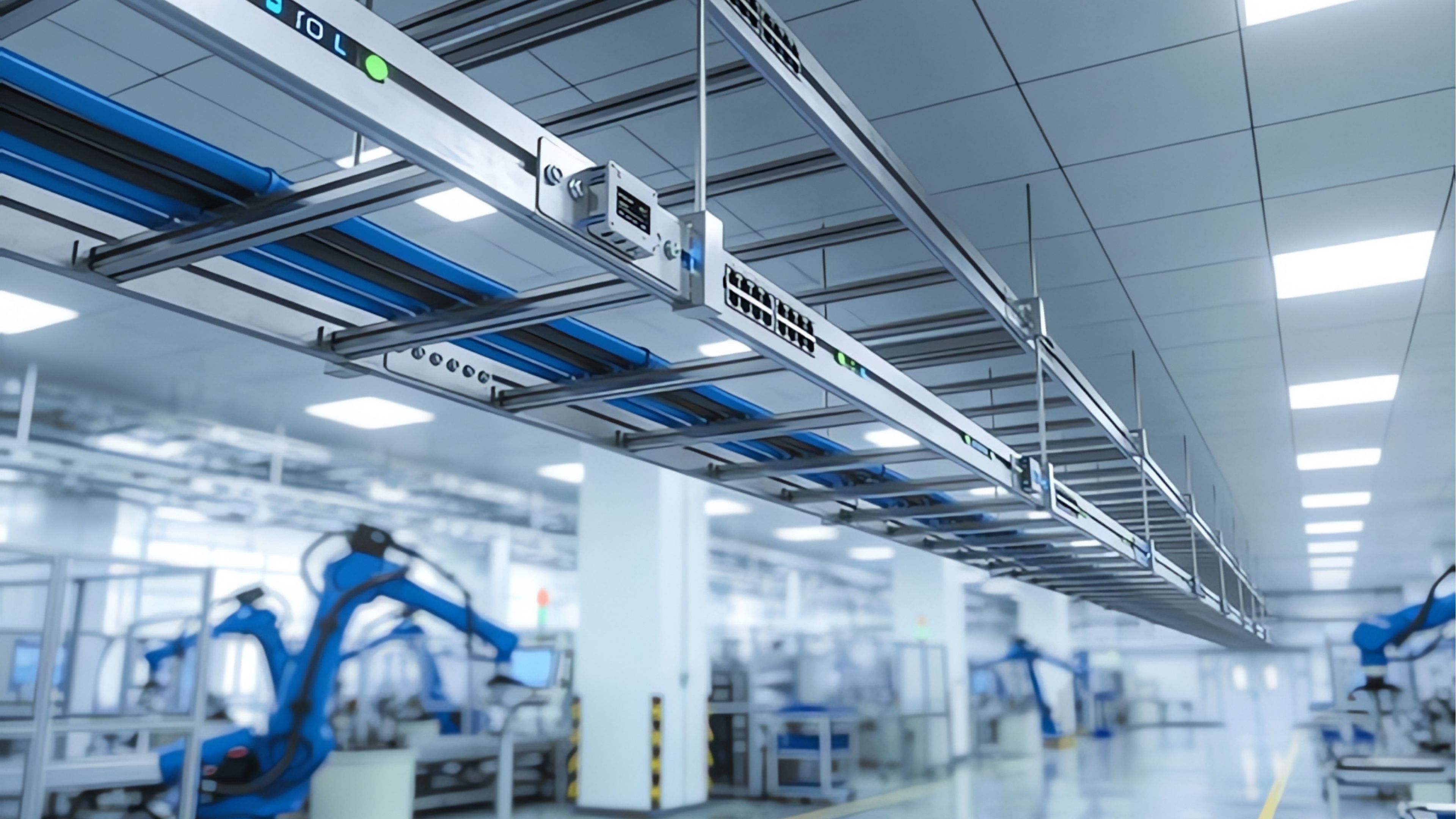
Successfully implementing a preventive maintenance program requires moving from theoretical planning to practical execution within your operational environment. This transition is critical for achieving tangible improvements in operational reliability and ensuring all industrial equipment meets international quality standards consistently.
The implementation process begins with deploying a maintenance management system to schedule and track work orders, starting with your most critical assets like heat exchangers and filter housing systems. This digital foundation enables the systematic application of process optimization techniques and specialized treatments such as passivation to prevent corrosion and maintain system integrity.
Effective execution integrates maintenance protocols into daily operations through trained personnel and clear procedures, maximizing facility efficiency without disrupting production. This approach benefits from incorporating maintenance considerations during project design and installation services for new equipment, ensuring maintainability from the outset.
SS Proje specializes in turning maintenance plans into operational reality through comprehensive end-to-end technical solutions that bridge the gap between strategy and execution. The measurable outcomes include extended equipment lifespan, reduced emergency repairs, and sustained production capacity that delivers a definitive return on investment for your facility.
How to Optimize Your Preventive Maintenance Schedule
Optimizing your preventive maintenance schedule transforms static calendar-based tasks into a dynamic system that maximizes resource allocation and operational reliability. This evolution from fixed intervals to condition-driven interventions is crucial for modern industrial facilities seeking to balance upkeep with uninterrupted production while maintaining international quality standards.
The optimization process begins with analyzing equipment performance data to identify maintenance triggers based on actual runtime, operating conditions, or predictive indicators rather than arbitrary time intervals. This data-driven approach allows for strategic scheduling of critical assets like heat exchangers and mixers, incorporating advanced process optimization techniques and specialized treatments such as passivation precisely when needed.
Implementation involves integrating these optimized schedules into maintenance management systems, grouping compatible tasks to minimize production disruptions and maximize facility efficiency. This methodology benefits from incorporating maintenance optimization during the project design phase and through professional installation services for new industrial equipment.
SS Proje delivers this sophisticated scheduling optimization as part of its end-to-end technical solutions, transforming maintenance from a cost center into a strategic advantage. The measurable outcomes include extended asset lifespan, reduced unnecessary maintenance hours, and sustained production throughput that delivers a clear return on investment for facility managers.
What Tools Are Needed for Preventive Maintenance Planning
Effective preventive maintenance planning requires a sophisticated toolkit that transforms theoretical strategies into actionable programs ensuring operational reliability. The essential tools range from digital management systems to specialized equipment for implementing maintenance protocols that meet international quality standards across all industrial equipment.
The core technological foundation is a Computerized Maintenance Management System (CMMS) that schedules, tracks, and analyzes maintenance activities for critical assets like heat exchangers and filter housing systems. This digital backbone is complemented by condition monitoring tools, specialized instrumentation for process optimization measurements, and equipment for executing precision treatments such as passivation.
Implementation extends to the physical tools required during installation services and ongoing maintenance, ensuring technicians have access to calibrated instruments and specialized equipment designed for specific industrial facilities. This comprehensive toolset enables the practical application of maintenance strategies developed during the project design phase.
SS Proje integrates these essential tools into its end-to-end technical solutions, providing both the digital platforms and physical resources needed to implement effective maintenance programs. The result is measurable improvement in facility efficiency, extended equipment lifespan, and sustained production performance that delivers a clear return on investment.
How to Track Preventive Maintenance Tasks Effectively
Effective tracking of preventive maintenance tasks transforms maintenance from an undocumented activity into a data-driven process that ensures operational reliability and compliance with international quality standards. Without proper tracking, even well-designed maintenance programs fail to deliver consistent results across industrial facilities.
The most effective approach utilizes digital maintenance management systems that provide real-time visibility into task completion, resource allocation, and equipment history for critical assets like heat exchangers and mixers. These systems capture detailed records of process optimization activities and specialized treatments including passivation, creating an auditable trail of maintenance execution.
Implementation integrates tracking protocols into daily operations through mobile access and automated reporting, enabling continuous monitoring of facility efficiency metrics. This systematic approach benefits from incorporating tracking requirements during project design and equipment installation services, ensuring maintainability and traceability from the outset.
SS Proje implements comprehensive tracking solutions as part of its end-to-end technical solutions, transforming maintenance data into actionable intelligence. The measurable outcomes include improved compliance rates, extended equipment lifespan, and sustained production performance that delivers a definitive return on investment for facility managers.
How to Budget for Industrial Preventive Maintenance Plans
Accurate budgeting for preventive maintenance plans transforms maintenance from an unpredictable expense into a strategic investment that ensures operational reliability and compliance with international quality standards. Proper financial planning prevents cost overruns while maximizing the lifespan of industrial equipment across your facility.
The budgeting process begins with a detailed asset registry and maintenance task analysis, quantifying resource requirements for critical components from heat exchangers to filter housing systems. This includes forecasting costs for specialized process optimization activities, necessary passivation treatments, and scheduled installation services for component replacements.
Advanced budgeting incorporates historical performance data and predictive analytics to allocate resources efficiently, ensuring optimal facility efficiency without compromising maintenance quality. This financial planning is integrated during the project design phase for new equipment installations, creating sustainable maintenance cost structures from inception.
SS Proje develops comprehensive maintenance budgets as part of its end-to-end technical solutions, transforming maintenance from a cost center into a value-driven operation. The measurable outcomes include predictable operational expenses, extended asset lifecycles, and sustained production performance that delivers a clear return on investment for facility managers.