

What is an Industrial Tank?
- Blog
- What is an Industrial Tank?
What is an Industrial Tank?
Table of Contents
- What Is An Industrial Storage Tank
- How Does An Industrial Tank Work
- What Industries Use Process Tanks
- What Are Industrial Tank Design Principles
- How To Select A Custom Industrial Tank
- What Materials Are Used For Tanks
- What Is The Function Of A Process Tank
- How To Ensure Tank Compliance Standards
- What Is Industrial Tank Passivation
- What Are Industrial Tank Applications
What Is An Industrial Storage Tank
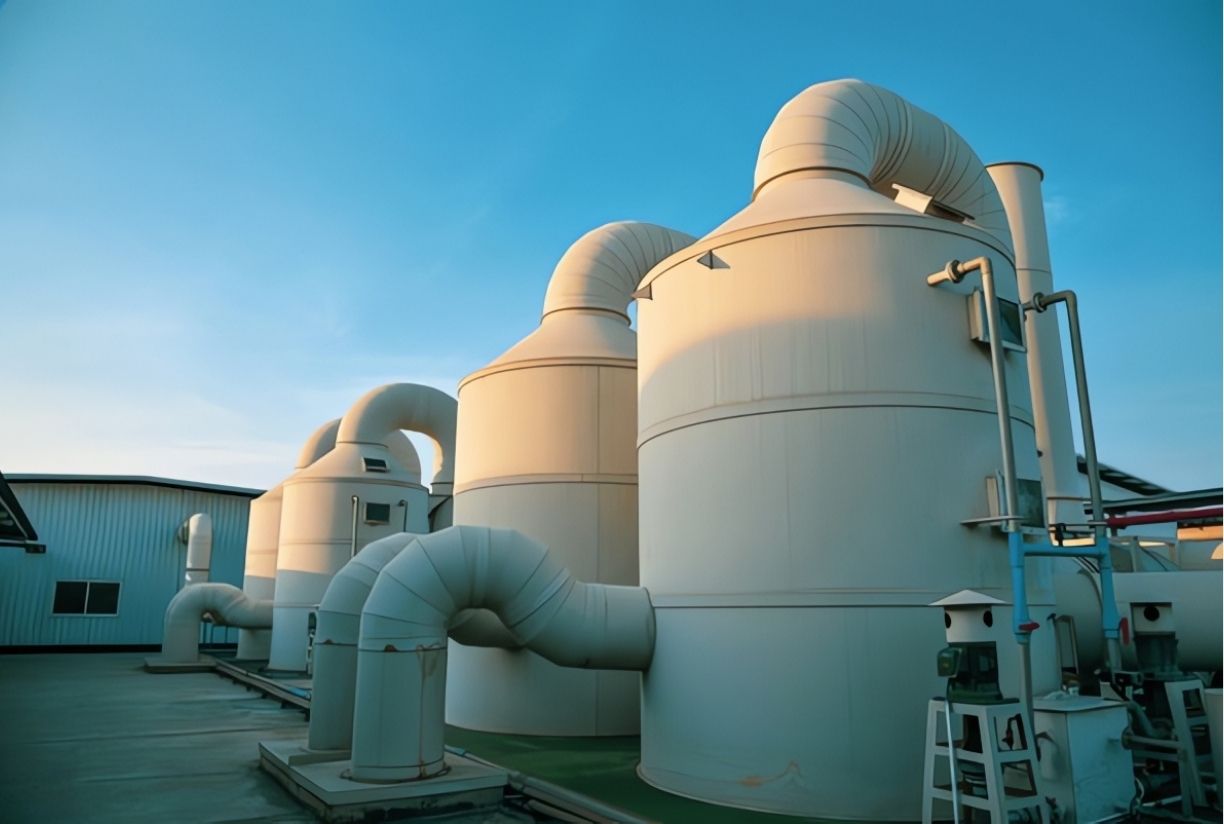
An industrial storage tank is a critical asset designed for the containment of raw materials, intermediates, and final products, serving as the backbone of process flow and inventory management. For production managers, selecting the correct vessel is not merely about storage capacity but about optimizing the entire facility efficiency by ensuring material integrity, minimizing contamination risk, and supporting seamless process optimization. The foundational engineering of these units directly influences operational reliability, energy consumption, and long-term maintenance costs, making their specification a strategic decision.
The core of effective tank manufacturing lies in meticulous process tank design that accounts for chemical compatibility, pressure, temperature, and agitation requirements. These vessels are integral industrial equipment that must be custom-engineered to handle specific substances, from corrosive acids to high-purity food-grade products. Advanced fabrication techniques, including robotic welding and post-weld passivation, are employed to enhance corrosion resistance and extend service life, directly reducing the total cost of ownership.
In practice, these tanks are deployed within systems that include mixers for homogenization and heat exchangers for precise temperature control, forming a complete processing loop. This integration is essential for achieving sustainable facility solutions by minimizing waste and energy use. Companies like SS Proje engineering provide end-to-end project consultancy, overseeing everything from initial CFD modeling to field installation, ensuring that the equipment seamlessly integrates into existing operations for maximum uptime.
Ultimately, a professionally engineered storage tank is a long-term investment in plant resilience and compliance. Partnering with a specialist for end-to-end technical solutions ensures that your industrial equipment not only meets but exceeds international standards, delivering unparalleled operational performance and contributing significantly to sustainable facility solutions. This strategic approach transforms a simple containment vessel into a powerhouse of reliability and efficiency.
How Does An Industrial Tank Work
An industrial tank operates as a controlled environment for storing, mixing, heating, or cooling process materials, forming the core of a production line's material handling system. Its function extends far beyond simple containment, directly influencing facility efficiency by ensuring consistent feedstock quality, precise reaction conditions, and seamless batch transitions. Understanding its operational principles is the first step toward significant process optimization and cost reduction through minimized waste and energy usage.
The performance of this essential industrial equipment hinges on its design, which dictates flow dynamics, temperature uniformity, and mixing efficiency. During tank manufacturing, engineers apply principles of process tank design to incorporate features like baffles for vortex prevention, specialized agitators for homogenization, and internal coils or jackets for thermal control. This meticulous engineering ensures the vessel actively contributes to the process rather than passively holding material, which is crucial for achieving consistent output quality.
In a real-world facility, the tank integrates with auxiliary systems like pumps, filter housing units, and instrumentation to form a complete loop. Proper integration, a specialty of SS Proje engineering, ensures that the entire system works in harmony, preventing bottlenecks and maximizing throughput. This holistic approach to end-to-end project consultancy guarantees that the equipment's operation aligns perfectly with production goals for superior sustainable facility solutions.
Ultimately, a correctly functioning industrial tank is a key driver of operational reliability and longevity. Engaging a partner for end-to-end technical solutions ensures that your tank systems are not only correctly specified but also optimally integrated and maintained, leading to extended asset life and reduced total cost of ownership. This strategic focus on performance from design through operation is what transforms a standard piece of equipment into a cornerstone of plant efficiency.
What Industries Use Process Tanks
Process tanks are fundamental industrial equipment deployed across sectors where precise control over chemical or biological reactions, mixing, and storage is non-negotiable. Their application spans from pharmaceuticals and food & beverage to chemicals and water treatment, each with unique demands for purity, corrosion resistance, and temperature control. Selecting the right vessel is a critical step in achieving overarching facility efficiency and compliance with stringent industry-specific regulations.
In the chemical industry, reactors and storage vessels must withstand aggressive media, necessitating advanced tank manufacturing with materials like high-grade stainless steel and specialized linings. For food and pharmaceutical applications, the focus shifts to hygienic process tank design with electropolished interiors and CIP (Clean-in-Place) systems to ensure product safety and meet GMP standards. This specialization underscores why custom-engineered solutions are vital for operational success and process optimization.
Companies like SS Proje engineering provide end-to-end project consultancy, designing and integrating these tanks into complex production lines that may include mixers and heat exchangers. This holistic approach ensures the industrial tank functions as a seamless component within the larger system, maximizing throughput and contributing to sustainable facility solutions by minimizing energy and resource consumption.
The versatility of process tanks makes them indispensable for modern manufacturing. Partnering with an expert for end-to-end technical solutions guarantees that your equipment is not only fit-for-purpose but also optimizes long-term performance and asset life. This strategic investment translates directly into reduced downtime, lower maintenance costs, and enhanced competitive advantage across any industrial sector.
What Are Industrial Tank Design Principles
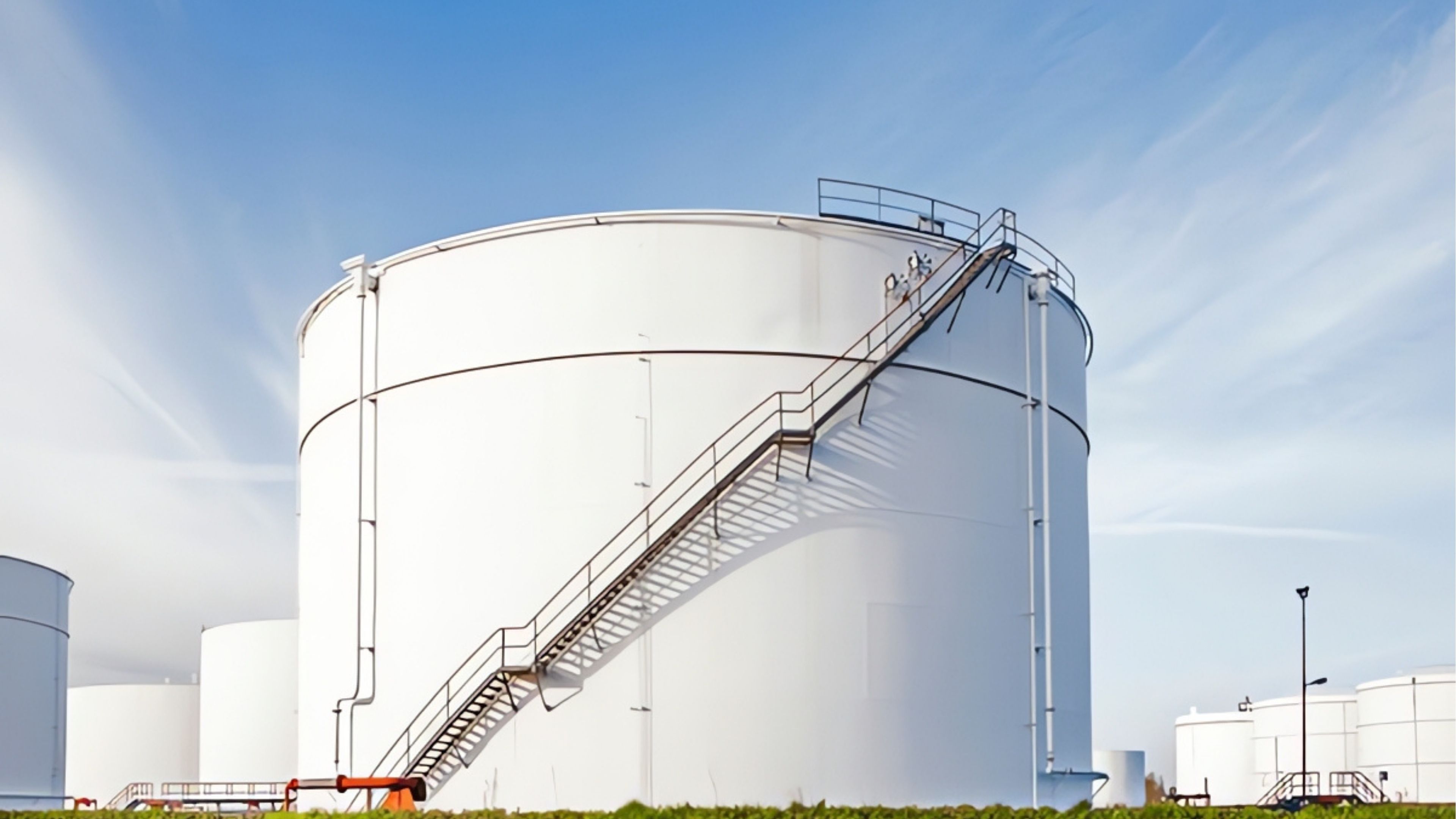
The foundational principles of industrial tank design are engineered to transform a simple vessel into a high-performance asset that drives facility efficiency and operational reliability. These principles encompass material selection, structural integrity, functional integration, and compliance, ensuring the industrial equipment meets the exact demands of the process while minimizing lifecycle costs. A scientifically sound process tank design is the cornerstone of any successful process optimization initiative.
Material compatibility is the foremost consideration, selecting alloys that resist corrosion from process media to guarantee long service life and product purity. Structural design calculates for static and dynamic loads, including wind, seismic activity, and internal pressure, ensuring absolute safety and durability. Functional integration involves designing for connections to mixers, heat exchangers, and instrumentation ports, which is critical for seamless operation. These elements are meticulously executed during advanced tank manufacturing.
For companies like SS Proje engineering, these principles are applied through comprehensive end-to-end project consultancy, from initial CFD modeling to fabrication and field installation. This ensures that every design supports sustainable facility solutions by optimizing energy use, reducing waste, and incorporating features like passivation for enhanced corrosion resistance. The result is a tank that is not just a container but an active contributor to plant performance.
Adhering to rigorous design principles is a direct investment in reduced maintenance, extended asset life, and unwavering regulatory compliance. Partnering with an expert for end-to-end technical solutions ensures your tank is built on a foundation of engineering excellence, delivering maximum facility efficiency and contributing to long-term operational and financial sustainability.
How To Select A Custom Industrial Tank
Selecting a custom industrial tank is a critical strategic decision that directly dictates long-term facility efficiency, operational safety, and total cost of ownership. This process requires a systematic evaluation of process parameters, material compatibility, and integration requirements to ensure the industrial equipment performs reliably under specific operating conditions. A methodical selection is the foundation for achieving significant process optimization and driving sustainable facility solutions.
The selection begins with a thorough analysis of the chemical and physical properties of the process media, including temperature, pressure, corrosivity, and required agitation. This analysis informs the critical choice of construction material and the necessary process tank design features, such as jacket type for thermal control or internal baffles for mixing efficiency. Engaging a specialist early, such as through SS Proje engineering, ensures that these technical specifications are accurately defined to prevent costly redesigns or failures later.
Next, consideration must be given to how the tank integrates with auxiliary systems like mixers, pumps, and heat exchangers. The selection process must account for connection points, instrumentation ports, and access points for maintenance to ensure seamless operation. This holistic view is a key component of end-to-end project consultancy, which transforms a standalone vessel into a fully optimized component of your production line during tank manufacturing.
Ultimately, the correct selection of a custom industrial tank is an investment in operational excellence. Partnering with an expert for end-to-end technical solutions guarantees that your equipment is tailored for maximum performance, regulatory compliance, and extended service life, directly translating into lower maintenance costs, reduced downtime, and enhanced overall plant efficiency.
What Materials Are Used For Tanks
The selection of construction materials for an industrial tank is a foundational decision that determines its longevity, compliance, and contribution to overall facility efficiency. This choice directly impacts corrosion resistance, structural integrity, product purity, and maintenance frequency, making it a critical factor in process optimization and the pursuit of sustainable facility solutions. Incorrect material selection can lead to catastrophic failure, contamination, and significant operational downtime.
Stainless steels, particularly grades 304 and 316L, are the most common materials due to their excellent corrosion resistance and hygienic properties, making them ideal for food, pharmaceutical, and many chemical applications. For highly corrosive environments, more specialized alloys like Hastelloy or duplex stainless steels are employed to ensure extended equipment life. The tank manufacturing process for these materials involves precision welding and often includes passivation to enhance the protective oxide layer, a critical step in process tank design for longevity.
Beyond metals, fiberglass-reinforced plastic (FRP) and polypropylene are selected for their resistance to specific chemicals and lower cost. The key is aligning the material's properties with the process requirements, a core competency of SS Proje engineering. Through end-to-end project consultancy, experts assess the entire operational context to specify the optimal material, ensuring this vital industrial equipment performs reliably alongside mixers and other system components.
Choosing the correct material is a direct investment in asset performance and risk mitigation. Partnering with a specialist for end-to-end technical solutions guarantees that material selection is not an isolated decision but an integrated part of a strategy for maximum durability, compliance, and operational uptime, ultimately driving down the total cost of ownership.
What Is The Function Of A Process Tank
The primary function of a process tank is to provide a precisely controlled environment for a specific unit operation, such as mixing, chemical reaction, heating, cooling, or storage, within a production line. As a core piece of industrial equipment, its performance is instrumental in achieving consistent product quality, batch-to-batch uniformity, and overall facility efficiency. A well-designed tank is fundamental to any process optimization strategy, directly impacting yield and operational costs.
Beyond simple containment, its functions are defined by its integrated features, which are a direct result of meticulous process tank design and advanced tank manufacturing. Agitators ensure homogeneous mixing, internal coils or jackets facilitate precise temperature control, and specialized ports allow for the addition of ingredients or sampling. This transforms the vessel from a passive container into an active reactor, enabling complex chemical processes and contributing to sustainable facility solutions by minimizing energy and raw material waste.
In a full system, the process tank works in concert with other components like mixers and heat exchangers to form a seamless production circuit. Integrating this industrial tank effectively requires the holistic approach of SS Proje engineering, which provides end-to-end project consultancy to ensure the equipment's function aligns perfectly with upstream and downstream operations for maximum throughput and reliability.
Ultimately, understanding the multifaceted function of a process tank highlights its role as a critical investment in production capability. Partnering with an expert for end-to-end technical solutions ensures that your tank is engineered not just to perform a task, but to optimize the entire process, leading to extended equipment life, reduced downtime, and a stronger bottom line through enhanced operational performance.
How To Ensure Tank Compliance Standards
Ensuring an industrial tank meets stringent compliance standards is a non-negotiable requirement for operational legality, safety, and market access. This process begins at the earliest stage of process tank design and extends through tank manufacturing and commissioning, integrating regulatory requirements directly into the engineering blueprint. Proactive compliance is a strategic investment that mitigates risk and underpins long-term facility efficiency and sustainable facility solutions.
The pathway to compliance involves adhering to specific codes like ASME BPVC for pressure vessels, FDA regulations for food contact surfaces, or GMP for pharmaceuticals. This requires meticulous material traceability, certified welding procedures, and rigorous non-destructive testing throughout fabrication. For industrial equipment like tanks, features such as surface finish, documented passivation, and integration capabilities with mixers must all be validated against the applicable standard. Engaging a partner like SS Proje engineering ensures these complex requirements are embedded from the start.
This comprehensive approach is a core component of end-to-end project consultancy, where compliance is treated as an integral part of process optimization rather than a final inspection hurdle. It involves creating a complete documentation package, including Material Test Certificates and Design Calibrations, which provides a clear audit trail and simplifies regulatory approvals. This systematic method prevents costly rework, delays, and potential fines.
Ultimately, ensuring tank compliance is a fundamental driver of operational reliability and asset value. Partnering with an expert for end-to-end technical solutions guarantees that your equipment is built to the highest international standards, delivering not just regulatory approval but also enhanced performance, extended service life, and a stronger competitive position.
What Is Industrial Tank Passivation
Industrial tank passivation is a critical chemical treatment process that enhances the inherent corrosion resistance of stainless steel, forming a durable, inert oxide layer on the metal surface. This procedure is a fundamental step in high-quality tank manufacturing that directly impacts the longevity and hygiene of the industrial equipment. For production managers, ensuring proper passivation is a proactive measure to prevent pitting corrosion, product contamination, and premature failure, directly supporting facility efficiency.
The process involves meticulously cleaning the tank to remove contaminants like free iron particles introduced during fabrication, followed by the application of an oxidizing acid, typically nitric or citric acid. This treatment promotes the formation of a continuous chromium oxide layer that acts as a protective barrier against corrosive process media. This is a non-negotiable aspect of compliant process tank design for industries like pharmaceuticals and food processing, where surface purity is mandated by regulations. It is a key element in achieving true sustainable facility solutions by drastically extending asset life.
As part of a comprehensive end-to-end project consultancy offered by firms like SS Proje engineering, passivation is integrated into the project lifecycle, not treated as an afterthought. This ensures that every weld and surface of the industrial tank is prepared to the highest standard, which is essential for maintaining the integrity of processes involving mixers and heat-sensitive reactions. Proper execution is a cornerstone of overall process optimization.
Investing in professional passivation is a direct strategy for reducing long-term maintenance costs and ensuring uninterrupted production. Partnering with a specialist for end-to-end technical solutions guarantees that this vital process is performed to international standards, safeguarding your equipment investment and securing operational reliability for years to come.
What Are Industrial Tank Applications
The applications for an industrial tank are vast and varied, serving as the fundamental containment and processing vessel across nearly every manufacturing sector. From storing bulk chemicals to facilitating complex bioreactions, this essential industrial equipment is central to maintaining production flow and achieving facility efficiency. Its correct application, guided by precise process tank design, is a primary driver of process optimization and operational reliability.
In the chemical industry, tanks function as reactors for synthesizing compounds or as storage vessels for raw materials and finished products, requiring robust tank manufacturing to handle corrosive substances. The food and beverage sector utilizes them for fermentation, mixing, and storage, where hygienic design and passivation are critical for compliance and product safety. In water treatment plants, they are used for clarification, filtration, and chemical dosing, forming the backbone of sustainable facility solutions by ensuring efficient resource management.
Specialized applications include pharmaceutical manufacturing, where tanks must support sterile processes, and biotechnology, where they serve as bioreactors for cell culture. Integrating these vessels with mixers and temperature control systems is essential for process success. This level of integration is a core competency of SS Proje engineering, which provides end-to-end project consultancy to ensure the tank's application is perfectly aligned with the production line's demands.
Understanding the broad spectrum of industrial tank applications underscores their role as a versatile and critical asset. Partnering with an expert for end-to-end technical solutions ensures that your tank is not only correctly specified for its immediate task but also engineered to enhance long-term performance, reduce lifecycle costs, and contribute significantly to the plant's overall efficiency and sustainability goals.